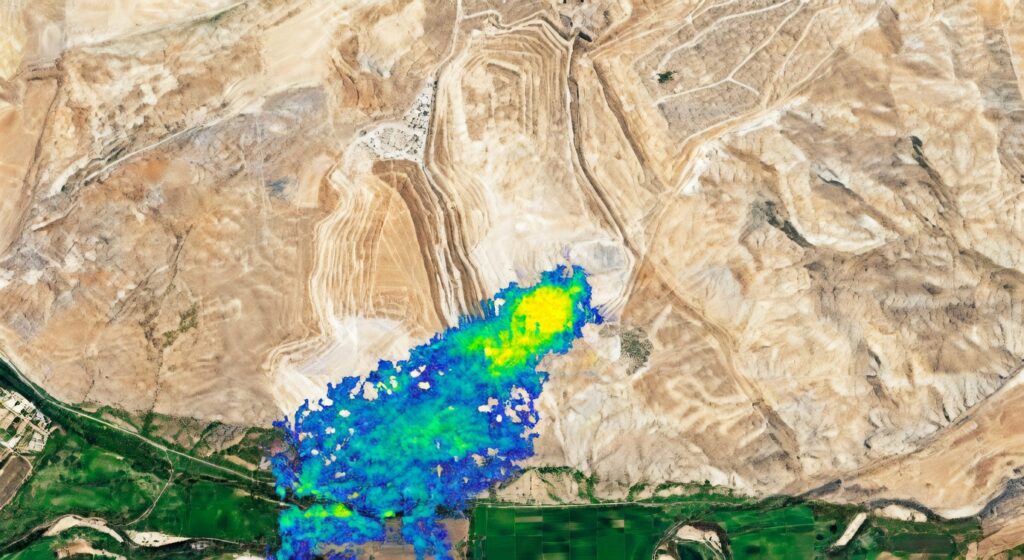
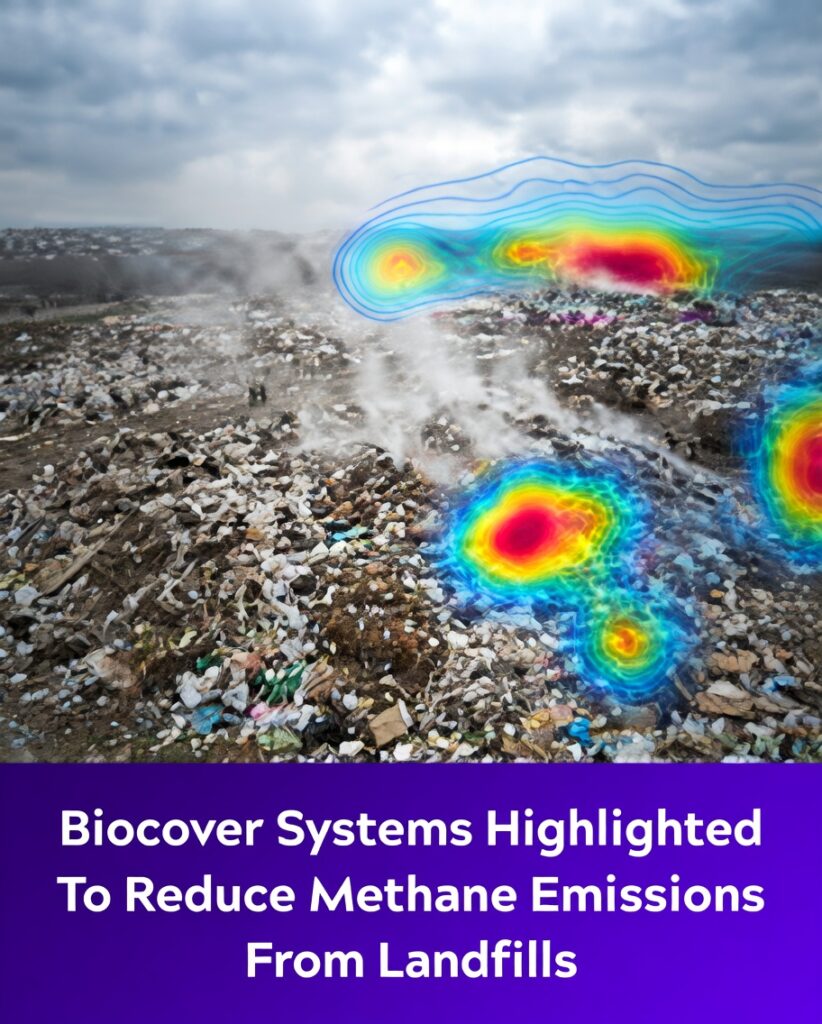
Landfills and open dumpsites across Africa are quietly becoming one of the continent’s fastest-growing sources of methane, a greenhouse gas far more potent than carbon dioxide. As waste piles up in poorly managed sites, methane continues to escape into the atmosphere for decades, worsening climate change, polluting the air, and contributing to flooding that destroys roads and disrupts logistics operations.
At the African Transport and Logistics Supportive Foundation (ATLSF), we see the direct link: when waste clogs drainage systems and landfills release methane, the result is flooded roads, delayed deliveries, damaged vehicles, and increased costs for the very professionals who keep Africa moving.
The good news? Simple, affordable, and locally adaptable solutions exist. Biocover systems (also known as methane oxidation covers) offer a practical way to dramatically reduce landfill methane emissions while improving air quality and public health.
Why Biocovers Matter for African Logistics
Biocovers work best in contexts common across many African countries, shallow dumpsites, low-to-medium methane generation, and locations where installing expensive gas collection systems is not feasible. Instead of trapping gas, biocovers allow oxygen to reach micro-organisms that naturally break down methane into carbon dioxide and water.
This makes them especially suitable for developing nations with unmanaged or poorly managed waste sites. Countries like South Africa, Tunisia, and others have already begun investing in this technology, and Africa has enormous potential to scale it using locally available materials.
The Impact Potential
Well-designed biocover systems can reduce methane emissions by up to 50% over the lifetime of a landfill. They are also highly cost-effective, typically ranging between US$5 and US$15 per tonne of CO₂ equivalent avoided.
Beyond climate benefits, biocovers deliver local gains: cleaner air, reduced health hazards, and less flooding, which directly protects transport corridors and logistics routes from seasonal disruptions.
How Biocovers Work
Unlike traditional landfill gas recovery systems that require impermeable covers, biocovers must “breathe.” They use porous layers of locally sourced materials (such as compost, soil, or organic waste) where beneficial microbes oxidise methane as it rises through the cover. With proper design, construction, and ongoing monitoring, these systems can deliver consistent performance even in challenging African climates.
Financing and Opportunities
Carbon markets, including the transition from the Clean Development Mechanism to the Paris Agreement Crediting Mechanism, present new opportunities for funding biocover projects. In addition to international climate finance, rehabilitated landfills can increase surrounding land values and create better living environments in urban areas, turning waste sites from liabilities into community assets.
ATLSF’s Position: From Waste Crisis to Climate Action
As an organization with special consultative status at the United Nations Economic and Social Council (ECOSOC), ATLSF believes waste management must be part of our broader advocacy for climate-resilient logistics. Flooding caused by clogged drains and methane-emitting dumpsites is no longer just an environmental issue; it is a direct threat to safe roads, efficient supply chains, and the livelihoods of logistics professionals.
We call on governments, municipalities, waste management agencies, and private operators to explore biocover systems as part of integrated solutions that protect both the climate and Africa’s transport infrastructure.
The Road Ahead
Reducing methane from landfills is one powerful way we can turn today’s pollution sources into tomorrow’s climate progress. With smart design, local materials, and strong policy support, Africa can lead in practical, low-cost methane mitigation while building more resilient roads and logistics networks.
ATLSF remains committed to amplifying these solutions, supporting capacity building, and advocating for policies that connect better waste management with safer, greener transport systems.
What are your thoughts on waste management and its impact on logistics in your city or country? Share in the comments below.
Co-Founder: Hon. (Mrs) Lydia Akinwale
Visit us: www.atlsf.org
SDG 13: Climate Action | SDG 11: Sustainable Cities and Communities | SDG 9: Industry, Innovation and Infrastructure