In the fight against climate change and environmental degradation, some of the most powerful solutions are emerging from the most unexpected places, not from high-tech laboratories, but from the hands of ordinary Nigerian farmers and the determination of logistics professionals.
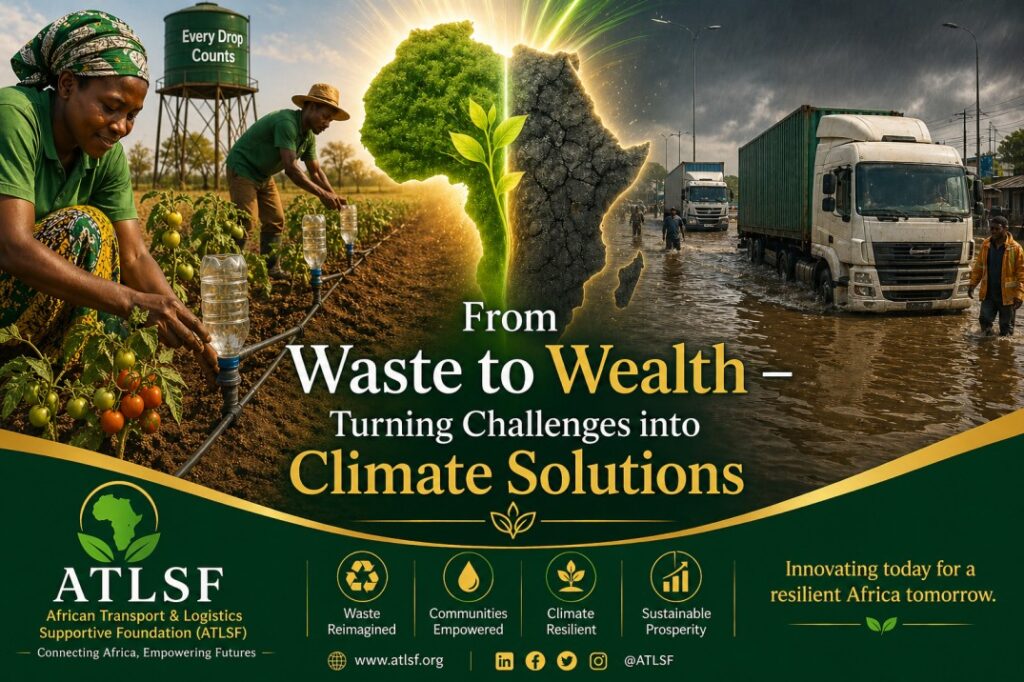
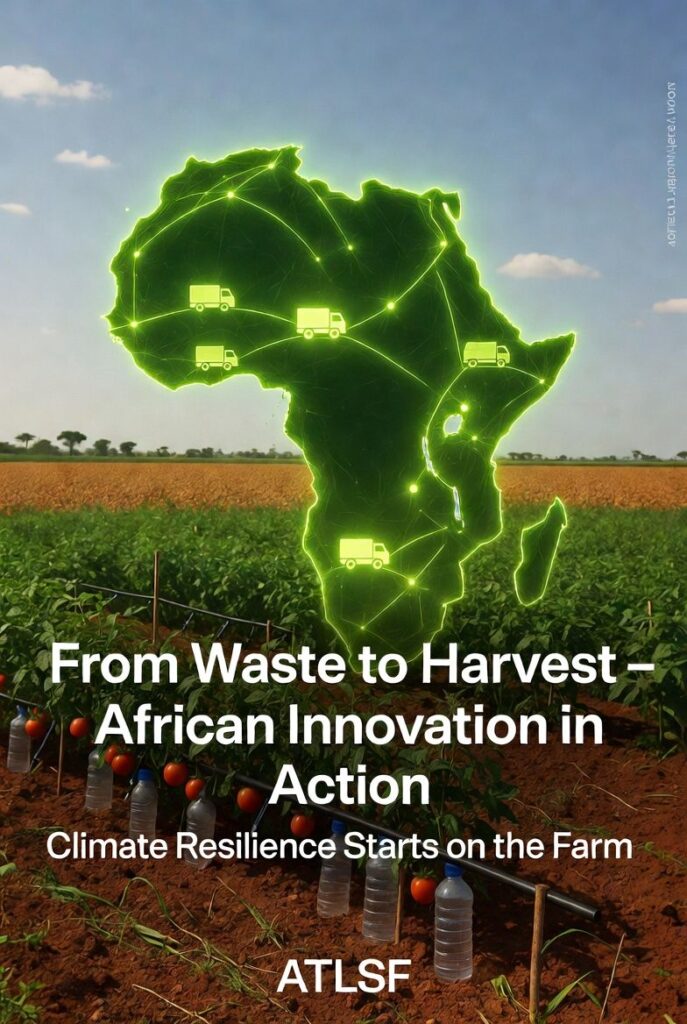
Across the dry regions of Nigeria, farmers are turning plastic waste into life-saving drip irrigation systems. By simply cutting plastic bottles and positioning them to release water slowly and directly to the roots of crops, they are conserving precious water, improving yields, and building resilience in the face of increasingly unpredictable weather patterns.
This grassroots innovation is more than clever farming; it is climate resilience in action.
At the African Transport and Logistics Supportive Foundation (ATLSF), we celebrate these initiatives because they directly impact the entire supply chain. When farmers successfully conserve water and produce more food, logistics operators benefit from more stable harvests, fewer post-harvest losses, and stronger rural economies.
But the story has another side.
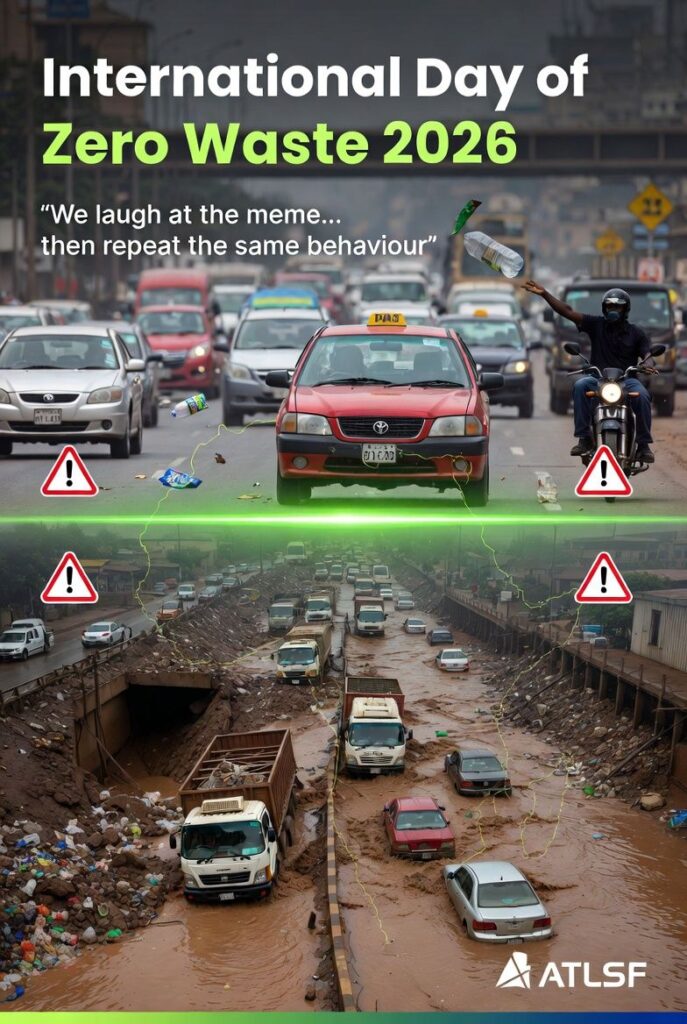
While some are turning waste into solutions, many of us continue the harmful cycle. We laugh at memes showing plastic bottles being thrown from moving vehicles, only to complain bitterly when the same waste clogs drains, causes flooding, destroys roads, and brings supply chains to a standstill.
Poor waste disposal is no longer just an environmental issue; it is a logistics crisis.
Flooded roads delay deliveries, damage trucks, increase operational costs, and put the lives of drivers and operators at serious risk every rainy season. Human error combined with poor waste management creates climate-amplified disasters that hit the logistics sector hardest.
This is not “somebody else’s problem.” This is our industry’s problem.
At ATLSF, we refuse to accept the status quo. We are actively turning awareness into concrete action by:
- Partnering with operators to run anti-littering campaigns
- Advocating for proper waste collection systems along major transport corridors
- Pushing for climate-resilient infrastructure that protects logistics routes
The change we want to see in Africa must begin with us, the people who move this continent every single day.
Whether it’s a farmer transforming plastic bottles into irrigation tools or a truck driver choosing not to throw waste from his vehicle, every small action counts. Every reused bottle helps reduce waste, prevent flooding, and contributes to building a more resilient Africa.
Real change often starts with the simplest ideas.
As we reflect on the International Day of Zero Waste, let us commit to doing better. Let us support innovative farmers, hold ourselves accountable, and demand better waste management policies from our leaders.
The question is simple:
What is one creative way you or someone you know is turning waste into value?
Or when was the last time flooding caused by poor waste disposal affected your operations?
Share your experiences and ideas in the comments below. Your voice matters, and together, we will use these real stories to push for meaningful policy changes across Africa.
Together we move Africa, sustainably.
Co-Founder: Hon. (Mrs) Lydia Akinwale African Transport and Logistics Supportive Foundation (ATLSF) Special Consultative Status with the United Nations Economic and Social Council (ECOSOC)
📍 www.atlsf.org 📞 +234 915 595 2144